Product Description
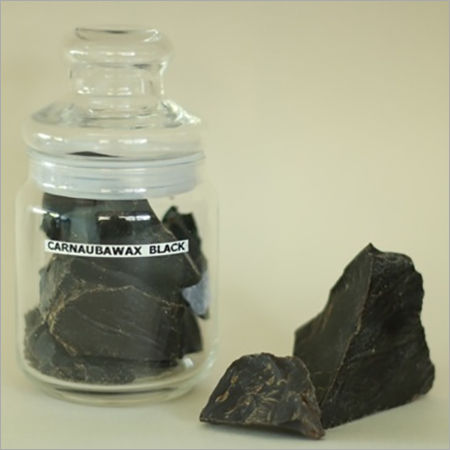
Backed with rich experienced professionals and strong client base, we are highly valued in this industry as a foremost manufacturer and exporter of Carnauba Wax Lumps. Our entire range of wax is formulated and processed using the premium quality extracts of natural elements precisely under the supervision of our experienced professionals. Our offered wax lumps are highly preferred by our clients due to their hypoallergenic properties, longer shelf life and superior quality. Our Carnauba Wax Lumps are extensively used in polishing instruments, shoes, furniture waxes, automobile waxes and cosmetic products.
Technical Specifications
| Description | Prime Yelloish white |
| Product Name | CARNAUBA WAX PRIME YELLOW |
| Moisture | 0.50% Max |
| Melting Point | 81-86°C |
| Acid Value | 2-7 mg KOH/g |
| Ester Value | 71-85 mg KOH/g |
| Saponification Value | 78-95 mg KOH/g |
| Soluble Impurities | 1% Max |
| Color | Yellow |
| Assay | >99% |
| Specific gravity | 0.99 g/cm3 |
| Flash Point | 282°C |
| Solubility | Insoluble In Cold Water |
| Shelf Life | 5 years |
Natural Source and CompositionCarnauba Wax is a premium, vegetable-based wax extracted from the leaves of the Copernicia prunifera palm indigenous to Brazil. It features irregular solid lumps with a characteristic mild odor, yellow to light brown coloration, and is mostly composed of esters, fatty acids, and alcohols. Its purity exceeds 99%, ensuring minimal impurities and consistent quality for diverse applications.
Key Applications and BenefitsKnown for its hard, glossy finish and safe composition, Carnauba Wax Lumps excel in car care, shoe polishes, food additives, coatings, cosmetics, and pharmaceuticals. Their high melting point and stability make them ideal for heat-resistant and food-safe products, significantly enhancing shine, longevity, and surface protection. The waxs food-grade variant is widely used in confectionery glazes and dental floss coatings.
Packaging, Storage, and Shelf LifeCarnauba Wax is typically packaged in 25 kg bags, or customized options as required. For optimal freshness and effectiveness, store the wax in a cool, dry location away from direct sunlight. Proper storage guarantees a shelf life of up to 2 years, maintaining its physical and chemical properties throughout this period.
FAQs of Carnauba Wax Lumps:
Q: How should Carnauba Wax Lumps be stored to maintain their quality?
A: Carnauba Wax Lumps should be kept in a cool, dry place, away from direct sunlight. Proper storage conditions help preserve their purity, prevent degradation, and ensure the shelf life of up to 2 years.
Q: What are the main uses of Carnauba Wax Lumps?
A: Carnauba Wax Lumps are widely applied in polishes, car care products, shoe shining, food additives and glazing, cosmetic formulations, pharmaceuticals, and paper and dental floss coatings due to their excellent gloss and protective qualities.
Q: When is Carnauba Wax preferred over other waxes in applications?
A: Carnauba Wax is chosen for its high melting point, exceptional hardness, food safety, and natural origin. It is favored in products needing durability, gloss, and non-toxic properties, such as confectionery glazes, polishes, and certain pharmaceuticals.
Q: Where does Carnauba Wax originate and how is it processed?
A: Carnauba Wax comes from the leaves of the Copernicia prunifera palm, native to Brazil. The extraction involves harvesting, drying, and beating the leaves to separate the wax, which is then refined into lump form for commercial use.
Q: What is the benefit of using Carnauba Wax in food and cosmetic products?
A: Carnauba Wax offers non-toxic, hypoallergenic, and food-safe properties, making it ideal for applications in edible coatings, confectionery, and cosmetics. It improves product gloss, shelf stability, and provides a protective barrier against moisture.
Q: How does the solubility of Carnauba Wax affect its industrial applications?
A: Being insoluble in water but soluble in warm alcohols and esters, Carnauba Wax can be formulated into a variety of products, from polishes to edible coatings, requiring specific solvent compatibility and process conditions.

 Call Us : 08045479693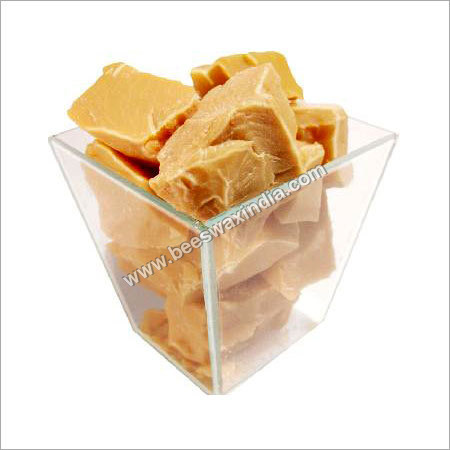







 Send Inquiry
 Send Inquiry
 Send SMS

