Product Description
Beeswax also known as "Bee Sweat" is a naturally occurring wax which is produced in the bee hives of honey bees of genus Apis species. This wax has several essential skin nourishing properties, due to it has gained prominence over other sort of waxes. The crude beeswax is gathered from the production source and is refined through specialized refining procedure. It helps in retaining its natural and unique features.
Manufactured confirming the parameters of several pharmacopeias our wax has found wider application in several pharmaceutical and cosmetic preparations. The moisturizing, emulsifying, and making a film or layer makes it suitable to be used in multitude of dermatological and cosmetics preparations. This also has softening and soothing properties and also acts as thickening agent.
Commercially this wax is used to make cosmetics, candles and pharmaceuticals like bone wax, also in polishing materials and as a constituent of modeling waxes. Generally it is used at the time of assembling of pool tables for filling the screw seams and holes between slates. Makers of squeeze boxes use beeswax as adhesive by blending it with pine resin.
Specifications of Natural Beeswax
- Appearance: Yellowish or White pieces with fine matt, grains and non-crystal fracture
- Drop Point: 61° - 65° C
- Acid Value: 17 to 24
- Ester Value: 70 to 80
- Ratio Number: 3.3 to 4.3
- Sapnification Value: 87 to 104
- Parafin, Ceresin & Other Waxes: Passes test
- Glycerol or Other: Passes Test
Versatile ApplicationsBees Wax is widely used across a variety of industries. In cosmetics and pharmaceuticals, it serves as a base for ointments, creams, and balms. Its use extends to candle making, food coatings, and polishes due to its natural film-forming and protective qualities. Its safety and efficacy make it a preferred ingredient in both artisanal and industrial processes.
Premium Quality & PuritySourced and processed with precision, this beeswax features a low impurity level of less than 2% and an acidity of 2.43.0 mg KOH/g. The peroxide value 10 meq/kg assures high purity, while customizable packing options and compliance with HS Code 1521 ensure it meets international trade standards.
Storage & Handling RecommendationsTo fully retain its natural properties and extend shelf life, store Bees Wax in a cool, dry, and well-sealed environment away from direct sunlight. Packaging options include plastic bags or cartons in 25kg blocks or as specified, ensuring convenience and safety during storage and transit.
FAQs of Bees Wax:
Q: How should Bees Wax be stored to maintain its quality?
A: Bees Wax should be stored in a cool, dry, and well-sealed environment away from direct sunlight. Proper storage under these conditions will help preserve its color, scent, and efficacy, ensuring a shelf life of up to 2 years.
Q: What are the primary benefits of using Bees Wax in cosmetics and pharmaceuticals?
A: Bees Wax acts as an excellent emollient, providing a protective, breathable barrier on the skin. It also serves as a base for ointments and creams, enhancing stability, texture, and shelf life in cosmetic and pharmaceutical products.
Q: When is Bees Wax typically used in manufacturing industries?
A: Bees Wax is commonly used during formulation and finishing stages in cosmetics, pharmaceuticals, candle making, and food coating, taking advantage of its film-forming, stabilizing, and texturizing properties.
Q: Where can Bees Wax be applied beyond skincare and candles?
A: Apart from cosmetics and candles, Bees Wax is widely used in food coating to maintain freshness, as a protective polish for wood and leather, and in various industrial applications where a natural, safe wax is needed.
Q: What is the process for utilizing Bees Wax in product formulations?
A: Bees Wax is typically melted and blended with other ingredients such as oils or solvents during product formulation. It integrates well with organic solvents and contributes desirable consistency and stability to finished goods.
Q: What advantages does Pharmaceutical & Cosmetic Grade Bees Wax offer over regular grades?
A: Pharmaceutical & Cosmetic Grade Bees Wax is processed to meet stringent purity and safety standards, with controlled impurity levels and specified saponification and peroxide values, making it suitable for sensitive applications in health and personal care.
Q: How does the saponification and hydrocarbon value affect Bees Waxs performance?
A: The saponification value (87104 mg KOH/g) and hydrocarbon content (1418%) determine the waxs emulsifying ability and texture. These properties ensure Bees Wax delivers consistent results across applications, offering optimal hardness and film-forming capability.

 Call Us : 08045479693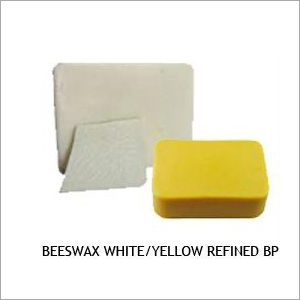






 Send Inquiry
 Send Inquiry
 Send SMS
 Call Me Free

